
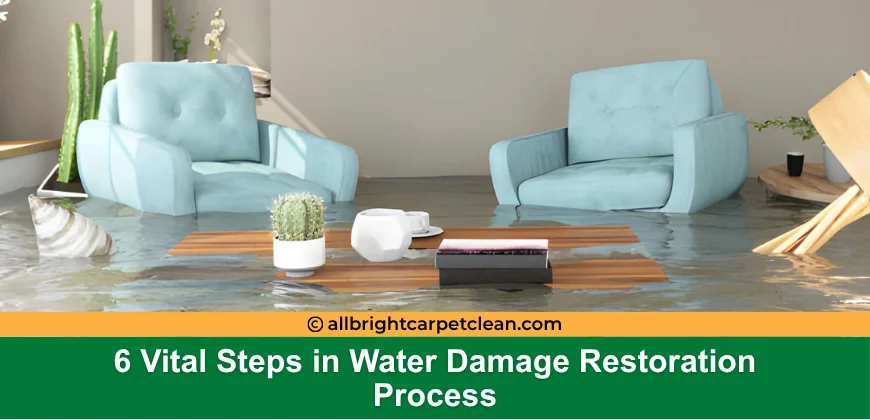
6 Vital Steps in Water Damage Restoration Process
Water damage is one of the most annoying and costly problems that a homeowner can have. If you don't fix a small leak or a sudden flood right away, it could lead to mold growth, structural damage, and repair costs of thousands of dollars. That's why it's important for all homeowners and property managers, not just restoration professionals, to know how the process of fixing water damage works. The water damage restoration process is a series of steps that bring a property back to the way it was before the damage happened. You need to do a lot more than just dry out a wet floor. It includes checking, getting rid of the water, drying, cleaning, and fixing the whole building.
What Does It Mean To Fix Damage Caused By Water?
A lot of homeowners only ask themselves, "What is water damage restoration?" after something bad happens. But knowing what it is ahead of time can make a big difference.
Water damage restoration is the professional way to clean, dry, fix, and restore a property that has been damaged by water that shouldn't have been there in the first place. This includes damage from flooding, broken pipes, sewage backups, appliance leaks, storm water, or leaks in the roof. The goal is to make the building and everything inside it safe, dry, and work again.
Cleaning up the mess is only part of restoring water damage. It deals with moisture that is hidden behind walls, under floors, and in insulation.
What Is The Difference Between Fixing And Mitigating Water Damage?
The simplest way to understand water mitigation and remediation is that mitigation stops more damage from happening, while remediation fixes damage that has already happened. Both of these things are very important when it comes to fixing water damage.
-
Water Damage Mitigation: Its goal is to stop the water from coming in, get rid of any standing water, and stop any more damage from happening.
-
Water Damage Remediation: Remediation is the process of fixing things that are already broken. This means getting rid of mold, cleaning up dirty things, disinfecting the areas that were affected, and fixing the building so that it is safe again.
The Complete Water Damage Restoration Process: Step by Step
To fix water damage, you need to do things in a certain order. You could have problems over and over again or damage that lasts a long time if you skip any of the steps. To fix water damage, do the following:
Step 1: Emergency Contact and Assesment
When you have water damage, the first thing you should do is call for help and have someone come look at it. Experts get there quickly to find out how bad the damage is, where the water came from, and what kind of water it is: clean, gray, or black.
Step 2: Repairing the Damage Done by Water
This is the part of the water mitigation process that needs to be done the quickest and usually includes:
-
Source Control: Stopping more water from coming in by turning off the water supply, covering roofs with tarps, or boarding up windows.
-
Standing Water Removal: You need to use heavy-duty pumps and wet vacuums to suck up a lot of water from floors, carpets, and basements.
-
Content Protection: Moving furniture, electronics, and personal items out of the way is a good way to prevent further loss.
Step 3: Getting Rid Of Moisture And Drying Things Out
The hidden dampness is still the biggest threat after the obvious water is gone. This is a very important step in the process of fixing water damage. All over the affected area, there are commercial-grade air movers and dehumidifiers.
Step 4: Cleaning and Making Safe
This step is part of fixing water damage and takes care of smells, germs, and damage to surfaces. This could include:
-
Antimicrobial Treatment: Using EPA-approved disinfectants to get rid of mold spores, bacteria, and other germs.
-
How to Get Rid of Smells: You can use air scrubbers, ozone generators, or hydroxyl machines to get rid of smells that come from mold and sewage.
Step 5: Mold Prevention and Inspection
Mold can still grow even after everything has dried completely if it is not taken care of properly. As part of the process of fixing water damage, professionals look for mold and treat surfaces that have been wet for a long time.
Step 6: Structural Repair And Restoration
The last step in fixing water damage is full structural restoration, which means bringing the property back to the way it was before the damage. This includes:
-
Dry Wall Replacement: To replace drywall, you have to take out the damaged drywall and insulation and put them back in.
-
Repairing Floors: putting in new hardwood, laminate, or carpet that has warped, buckled, or soaked.
-
Painting and Finishing: Putting new paint on the walls and ceilings and fixing up the trim and fixtures.
-
Structural Repairs: Fixing any framing, subfloor, or load-bearing parts that were broken during the water mitigation process.
When to Ask a Pro for Help
You might be able to fix small water problems on your own, like a small spill or a leak that you catch early on. This is when you should stop trying to do it on your own:
-
Flooding: Floodwater and sewage are full of dangerous germs
-
Structural Saturation: To properly dry out walls, ceilings, or subfloors after water damage, you need special tools to get the water out.
-
Visible Mold: This is bad for your health, and you need to use professional water damage restoration methods to get rid of it.
-
Large-Scale Damage: If water affects more than one room or floor, you need to use commercial-grade equipment to fix the problem.
Start Your Emergency Restoration Now
When water damage happens, every hour counts. Fixing water damage is hard, needs to be done quickly, and needs to be done right by a professional from start to finish. All Bright Carpet Clean handles every step with care and precision. Don't wait or try to fix it yourself, or you might end up with mold that isn't visible, incomplete drying, or damage to the structure that lasts for a long time. Contact us today and let our experts help you with every part of the process.
Frequently Asked Questions
How long it takes to fix water damage depends on how bad it is and how much of it there is. It can take three to five days to fix small problems.
There are two steps to water mitigation and remediation. Mitigation is an emergency action that stops harm from getting worse, while remediation fixes and restores damage that has already happened.
It depends on what kind of water damage it is and where it happened. If the water damage is small and clean, you might be able to stay there.
Most basic homeowners' insurance policies will pay for water damage that happens suddenly and by accident, like a pipe bursting. They don't cover leaks or floods that happen over time.
If you don't fix water damage right away, it can cause mold to grow (which can start within 24 to 48 hours), damage to the structure, electrical hazards, and much higher repair costs.
Start Your Emergency Restoration Now
When water damage happens, every hour counts. Fixing water damage is hard, needs to be done quickly, and needs to be done right by a professional from start to finish. All Bright Carpet Clean handles every step with care and precision. Don't wait or try to fix it yourself, or you might end up with mold that isn't visible, incomplete drying, or damage to the structure that lasts for a long time. Contact us today and let our experts help you with every part of the process.